• Tomsk Polytechnic University (TPU), a national research university,
• Tomsk State University (TSU), a national research university,
• Tomsk State University of Control Systems and Radioelectronics (TUSUR).
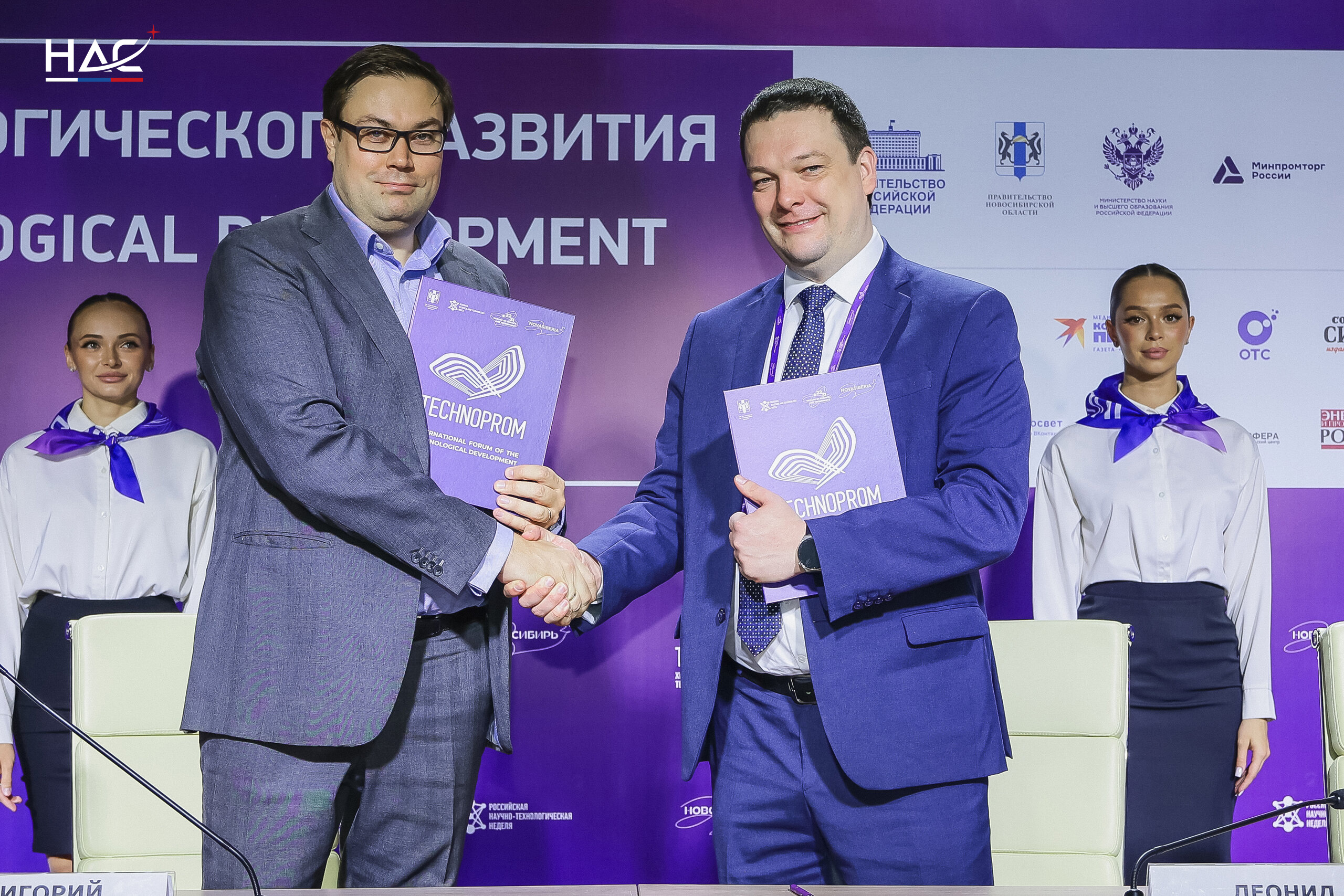
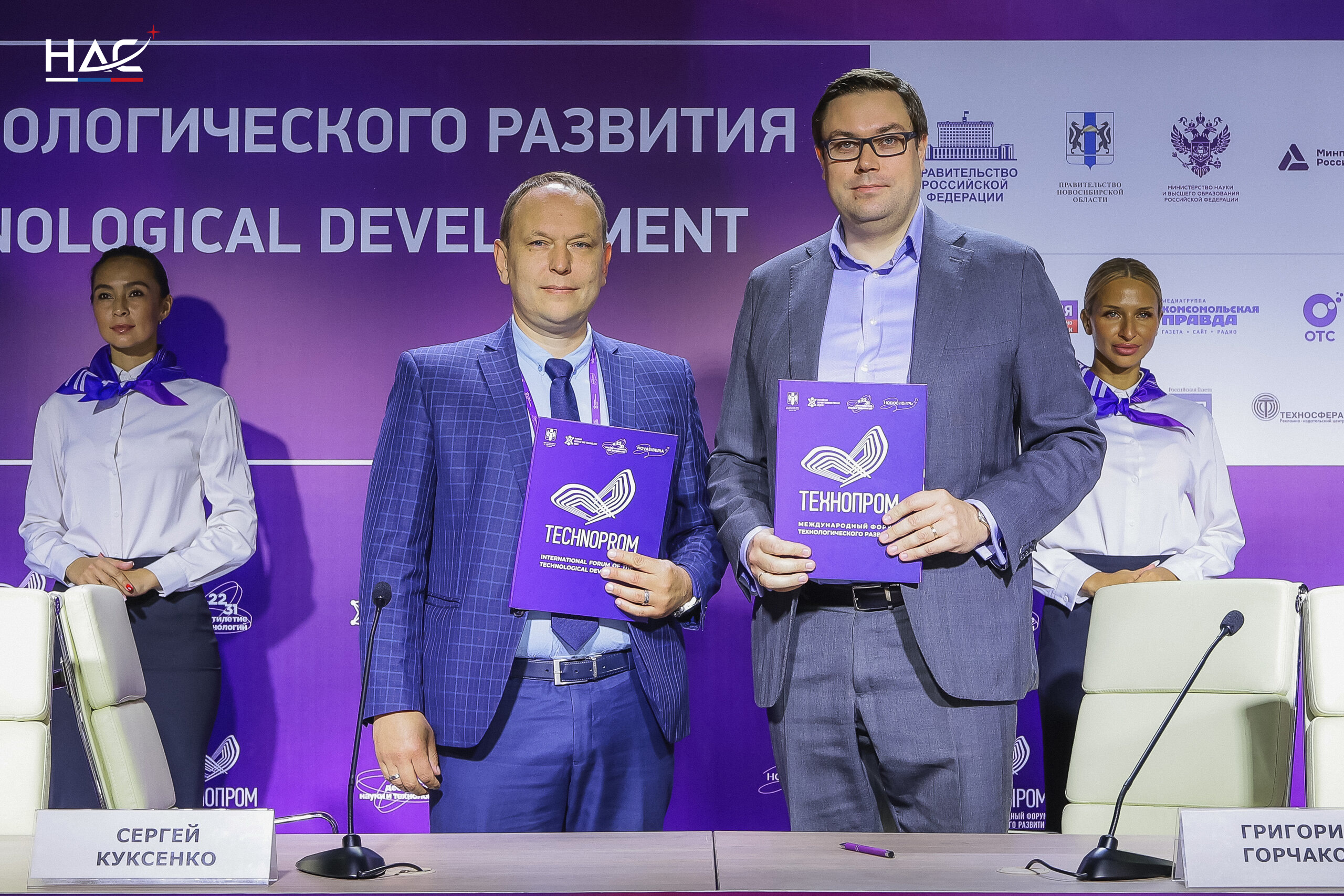
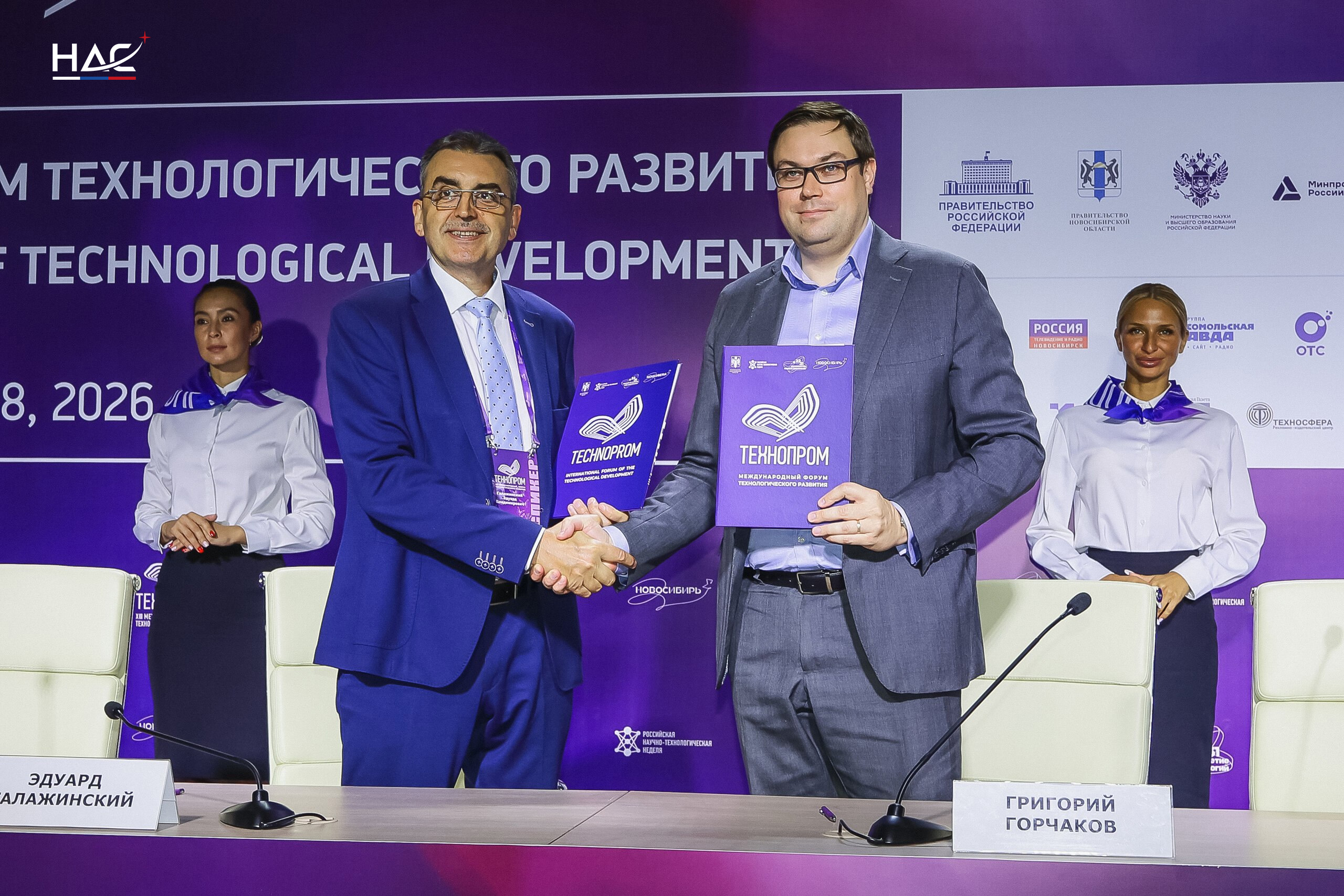
The documents were signed by Grigory Gorchakov, Executive Director of the NAS Association, and the universities’ rectors: Leonid Sukhikh (TPU), Eduard Galazhinsky (TSU) and Vice-Rector Sergey Kuksenko (TUSUR).
“The National Autonomous Systems Association brings together operators, manufacturers and developers of autonomous systems across five environments: air, water, land, space and the digital environment.
Today’s agreements are an important step in building systematic ties between the Association and Russia’s leading universities. It matters especially to us that the universities’ expertise and research findings meet the real tasks of companies in the industry.
We agreed to concentrate our joint work on three areas: training the people the industry needs, expert cooperation, and applying the universities’ existing developments and expertise to the practical tasks of the Association’s members.
We expect this partnership to bring promising university developments into practical use faster and, at the same time, to give the universities a direct link to the demands of a fast-growing industry,” said Grigory Gorchakov, Executive Director of the NAS Association.
A research and education cluster in Tomsk
Together these agreements create a coherent ecosystem in Tomsk for developing Russian autonomous systems. By combining the distinctive strengths of three leading universities, the partnership covers the full innovation cycle — from fundamental science to industrial adoption.
• Tomsk State University (TSU) brings its strong schools in mathematics, physics and computer science, underpinning fundamental research in artificial intelligence, algorithms and software.
• Tomsk Polytechnic University (TPU), a national research centre for engineering and materials science, will focus on applied development, technology testing and training hands-on engineers.
• TUSUR will provide the industry with critical expertise in radio electronics, communications, navigation and control systems for uncrewed platforms.
Key areas of systemic cooperation
The parties intend to develop cooperation along three main lines:
1. Research and innovation: initiating joint R&D on the industry’s priority tasks, including unmanned aircraft systems, highly automated transport, industrial robotics and uncrewed vessels.
2. People: building an end-to-end system for training specialists through joint educational programmes, targeted training, work placements and internships at member companies of the Association.
3. Commercialisation and standards: helping to promote and adopt the universities’ developments in industry, and taking part in shaping the industry’s technological and educational standards.
What this means for the industry and the region
The partnership creates a powerful research and industrial hub in Tomsk that will generate advanced technology and train an elite of engineers for the whole country.
For the universities, cooperation with the Association opens a direct feedback channel from real operators and manufacturers, letting them align research and teaching with what the market asks for and contribute to Russia’s technological sovereignty.