This year, a dedicated strand of the business programme focused on cross-cutting government policy priorities: integrating veterans of the special military operation into high-tech sectors of the economy and systematically developing unmanned aircraft systems (UAS) in Russia.
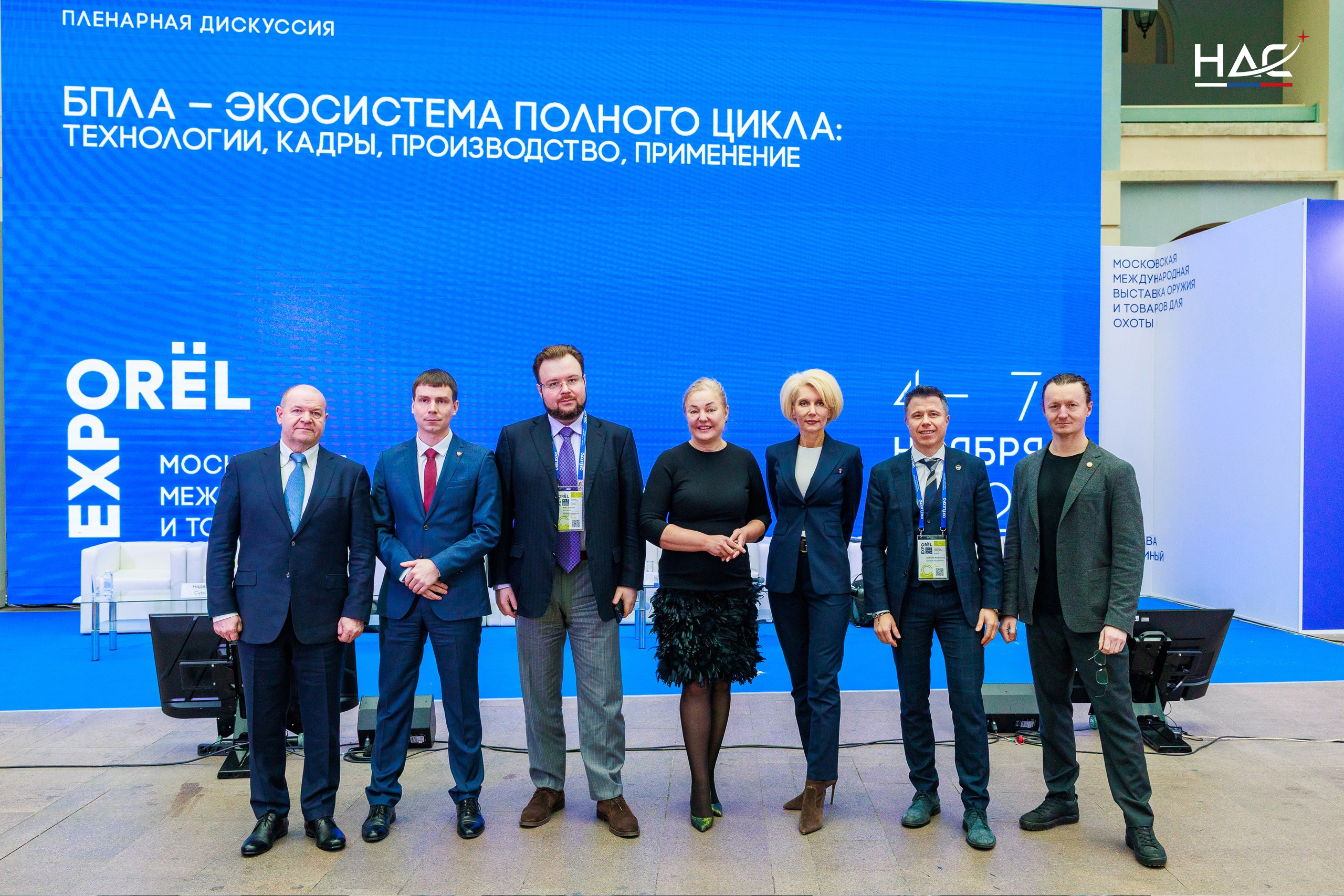
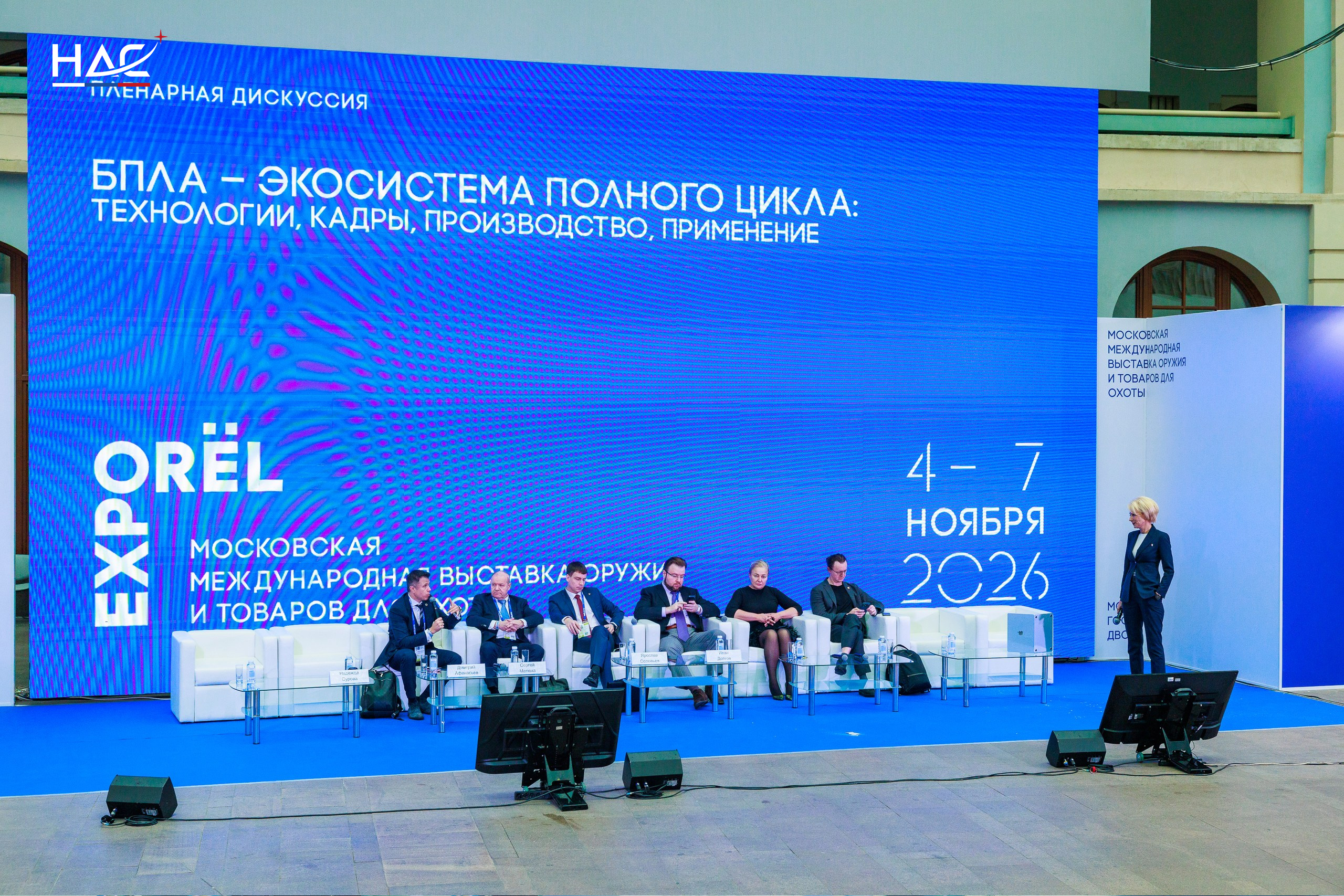
On 5 November, the forum hosted the plenary discussion “UAVs — A Full-Cycle Ecosystem: Technology, Workforce, Manufacturing and Application”. Moderated by Nadezhda Surova, Director of the Digital Economy Competence Centre, the event brought together heads of research and production centres, representatives of the education sector and industry associations.
Experts focused on a practical assessment of the industry as it stands, from components to serial production and workforce training.
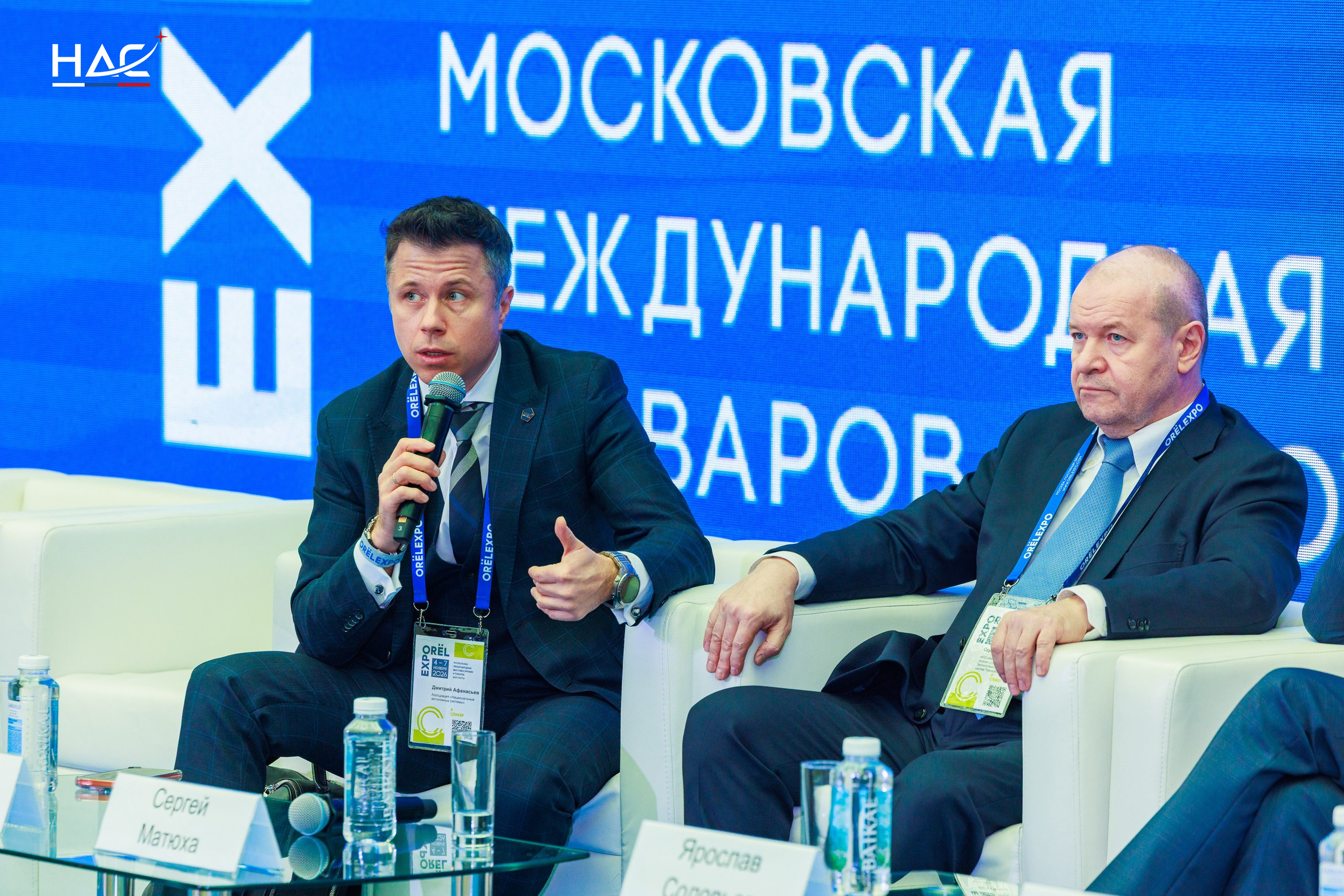
The National Autonomous Systems Association (NAS) was represented at the plenary session by Chairman of the Board Dmitry Afanasyev. Opening the discussion in the “Government, Industry and Education” segment, he presented a detailed overview of the current market and identified systemic barriers preventing the industry from transitioning to a service model.
According to the Association, the civilian UAS segment is currently the most established and commercially mature in Russia. However, an active, large-scale services market has yet to emerge. “The main challenge is that the relevant National Project’s targets include indicators for the production of systems and infrastructure, but no indicators for the actual scaling of services across sectors of the economy,” Dmitry Afanasyev noted.
In his presentation, the NAS Chairman of the Board highlighted three key trends and constraints shaping the industry:
- Changing demand. Until 2024, government civilian procurement was the main market driver. Today, however, direct aircraft purchases are declining: from RUB 7.11 billion in 2024–2025 to a projected RUB 2.3 billion for 2026–2028. This makes a shift from selling drones to selling flight hours or ready-to-use digital data — a full service model — inevitable.
- Experimental legal regimes. These regimes currently remain effectively the only mechanism permitting the lawful operation of heavy drones weighing more than 30 kg. However, they often function as temporary, local exemptions from regulations rather than as a means of developing new, permanent federal rules.
- Development of research and production centres. These centres have become an effective infrastructure base. To improve their profitability and efficiency, NAS considers it advisable to expand their remit to include other autonomous systems, such as land-based and waterborne robotic systems.
Asked about the role of the National Strategy for Autonomous Systems Development through 2036, which is currently being drafted, Dmitry Afanasyev stressed that sustainable growth in the UAS industry should be driven by predictable airspace regulation, the creation of national infrastructure — including reliable communications and navigation — and close integration of workforce policy with operators’ actual needs.
Following the discussion, participants prepared a package of proposals for the relevant Federation Council committee, for onward referral to the Russian Ministry of Industry and Trade, the Federal Air Transport Agency (Rosaviatsiya) and related authorities.