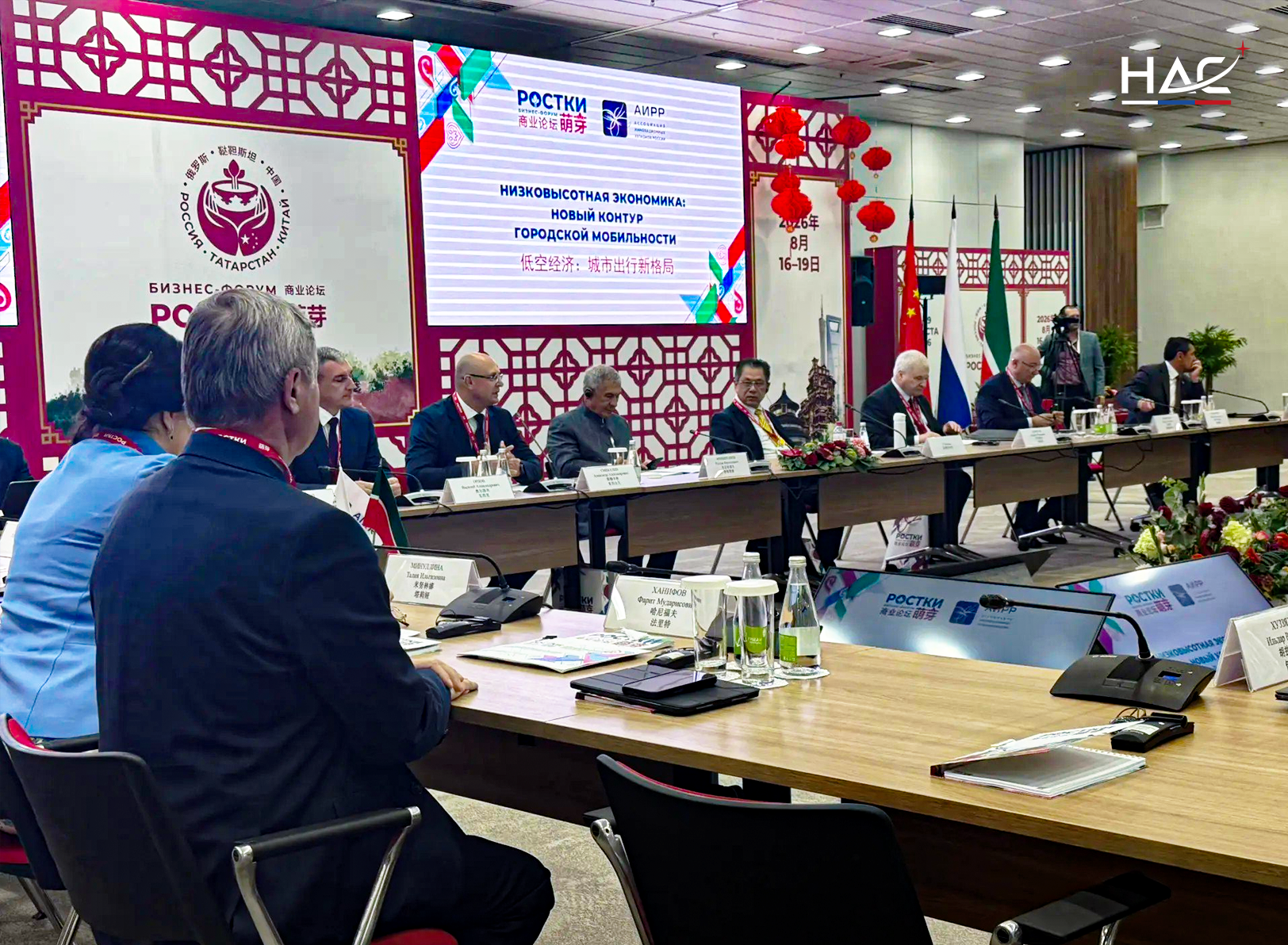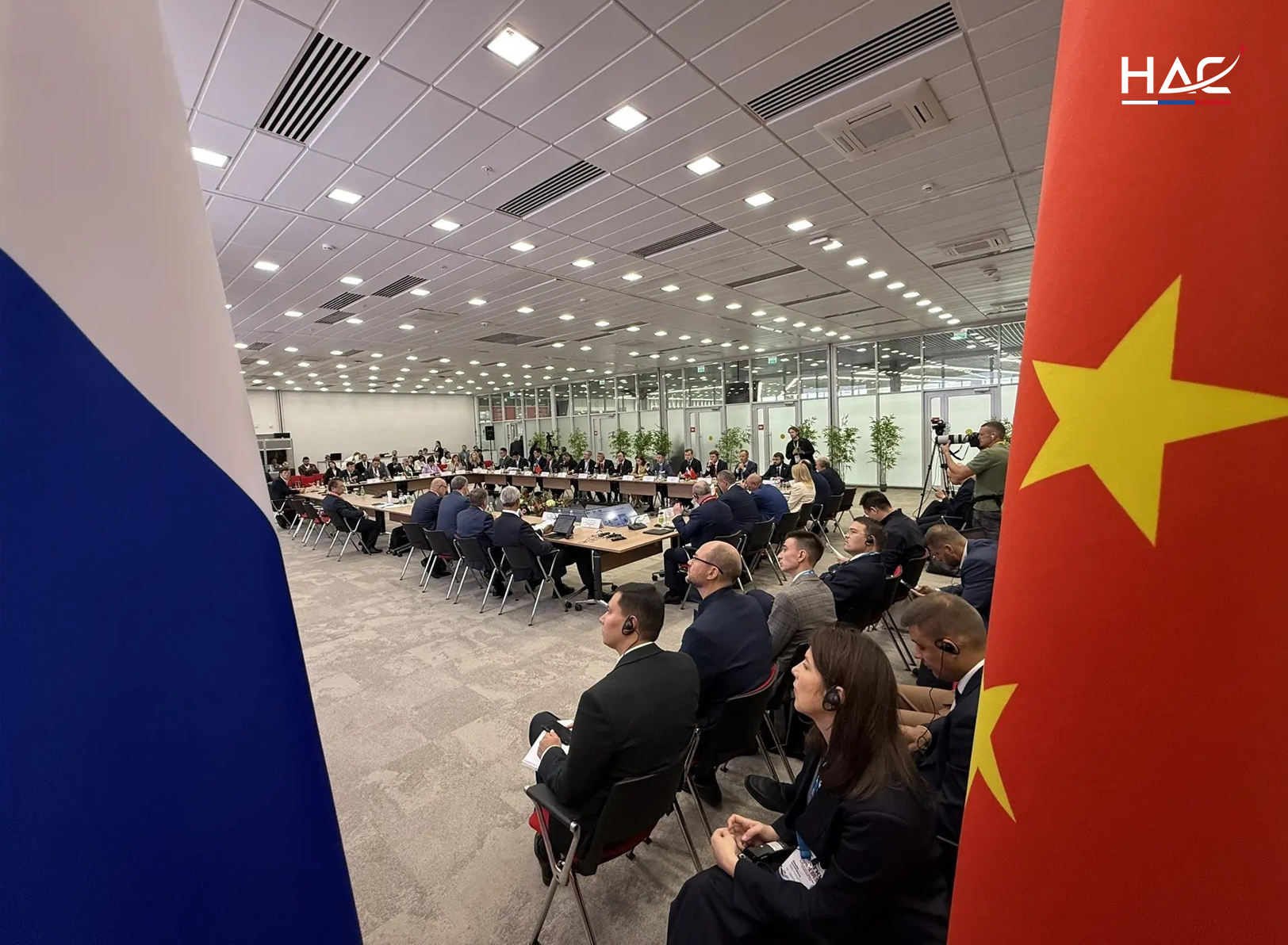
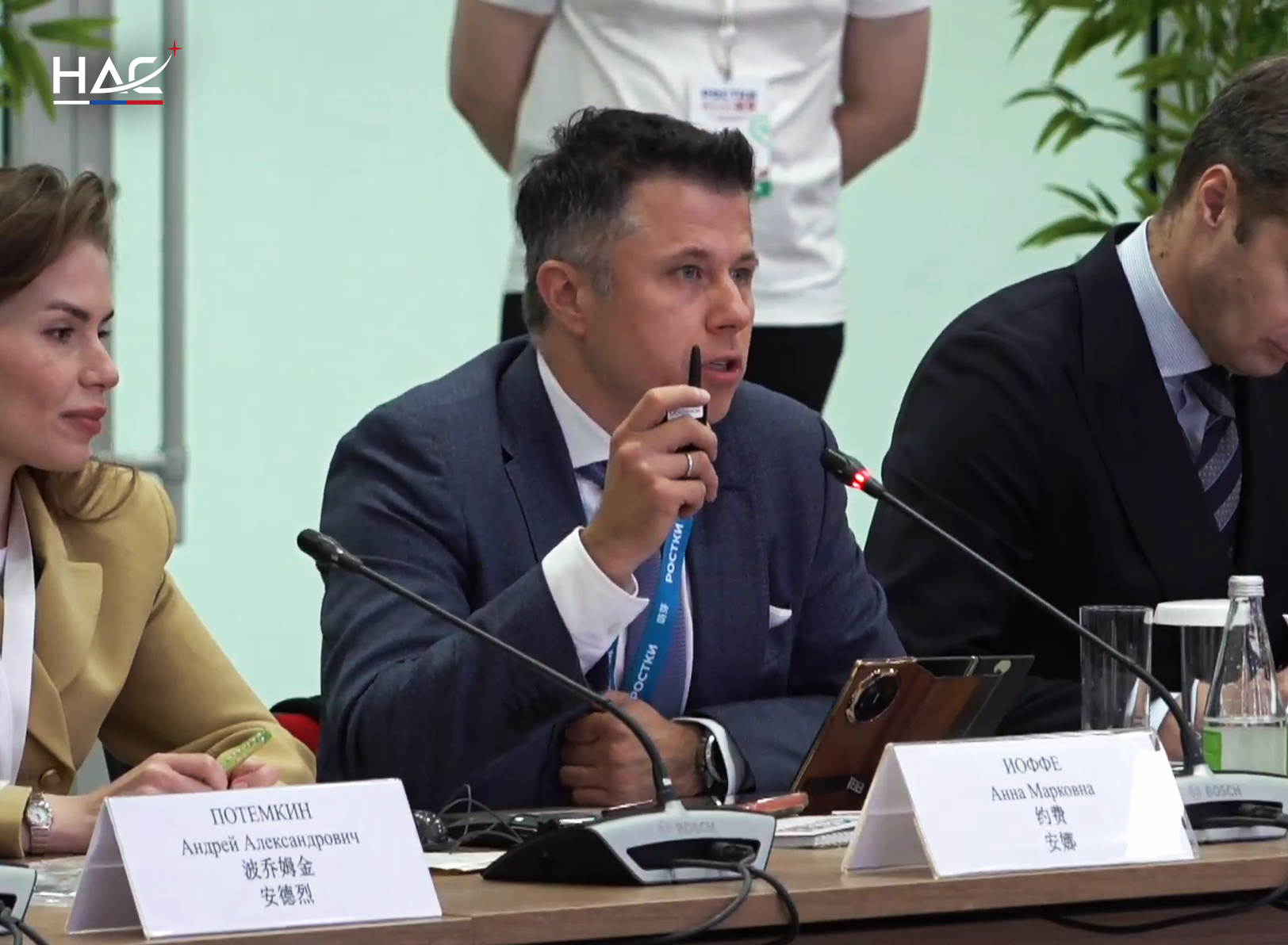
His address came during the key panel session “The low-altitude economy: a new contour of urban mobility”, opened by Rustam Minnikhanov, Rais of the Republic of Tatarstan and Chairman of the AIRR Council.
Dmitry Afanasyev urged participants to stop treating the low-altitude economy as an end in itself or as an isolated industry. In his words, drones and air taxis are only the first and most visible element of a far larger transformation.
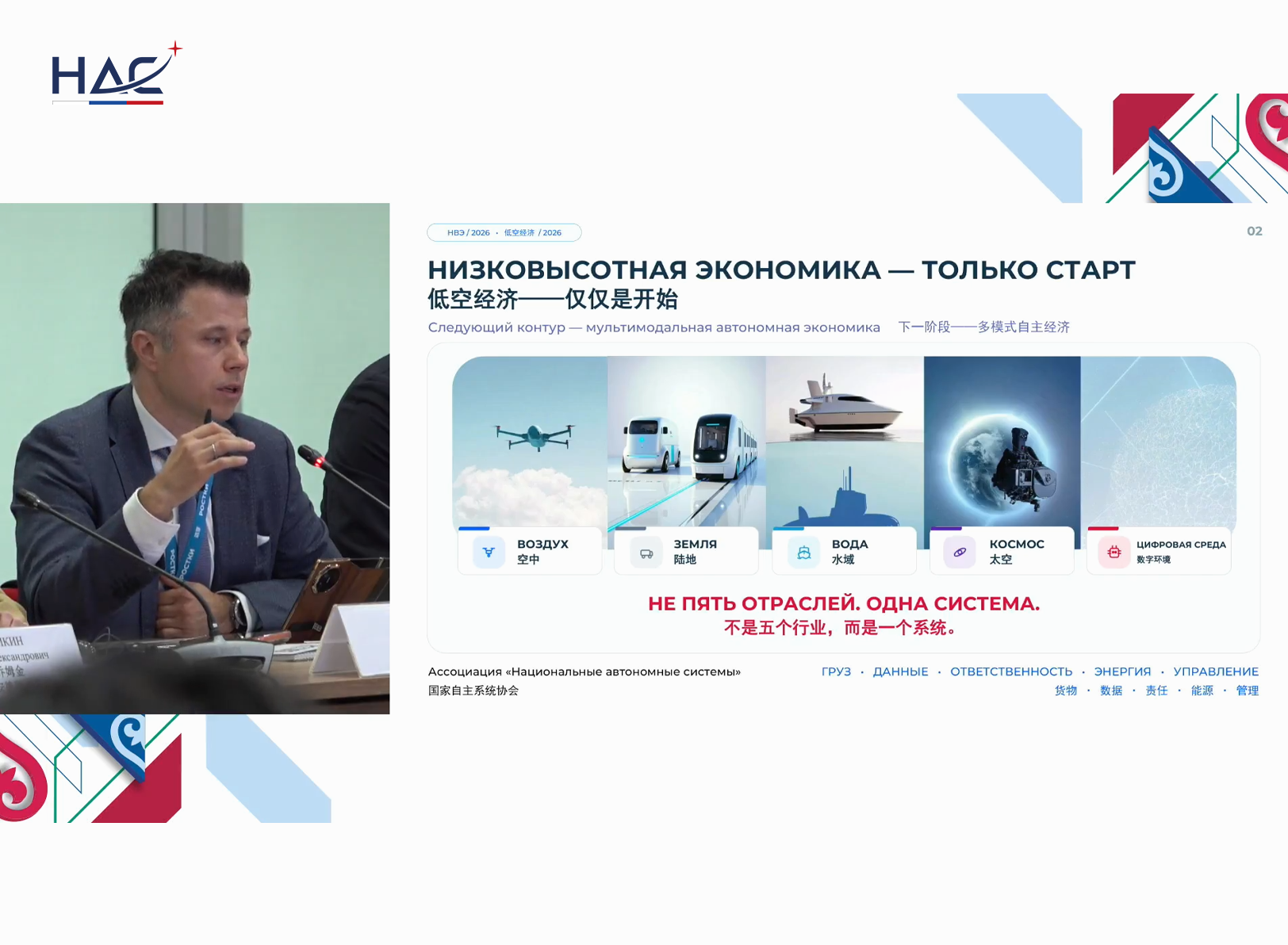
“The low-altitude economy is only the launch pad,” he said. “The next stage is a single multimodal autonomous economy, in which air, land, water, space and the digital environment are integrated into one system.”
Citing China’s successful experience, the speaker stressed the decisive importance of a systemic approach. The effect comes not from individual technologies but from the simultaneous development of industry, infrastructure, regulation and practical use cases.
He also noted that the effectiveness of new solutions cannot be reduced to the cost of a single operation. What matters is the systemic economic effect: the speed of response to emergencies, the damage prevented, services reaching hard-to-access regions and the optimisation of working capital for businesses.
Dmitry Afanasyev named the need to design the cities of the future today as the key challenge. New technologies should not be squeezed into old infrastructure. The master plans of modern cities must provide in advance for landing zones, hubs, charging stations and common interaction standards for every type of autonomous device, from drones to humanoid robots.
Concluding his address, Dmitry Afanasyev set out the mission of the NAS Association as the principal integrator of this new economy. “Our task is to unite manufacturers, operators, regions and regulators around a shared vision of the industry on the 2035 horizon. If we lay down the right architecture now, Russia will be able to shape its own sovereign model of the autonomous economy rather than catch up with technology,” he concluded.