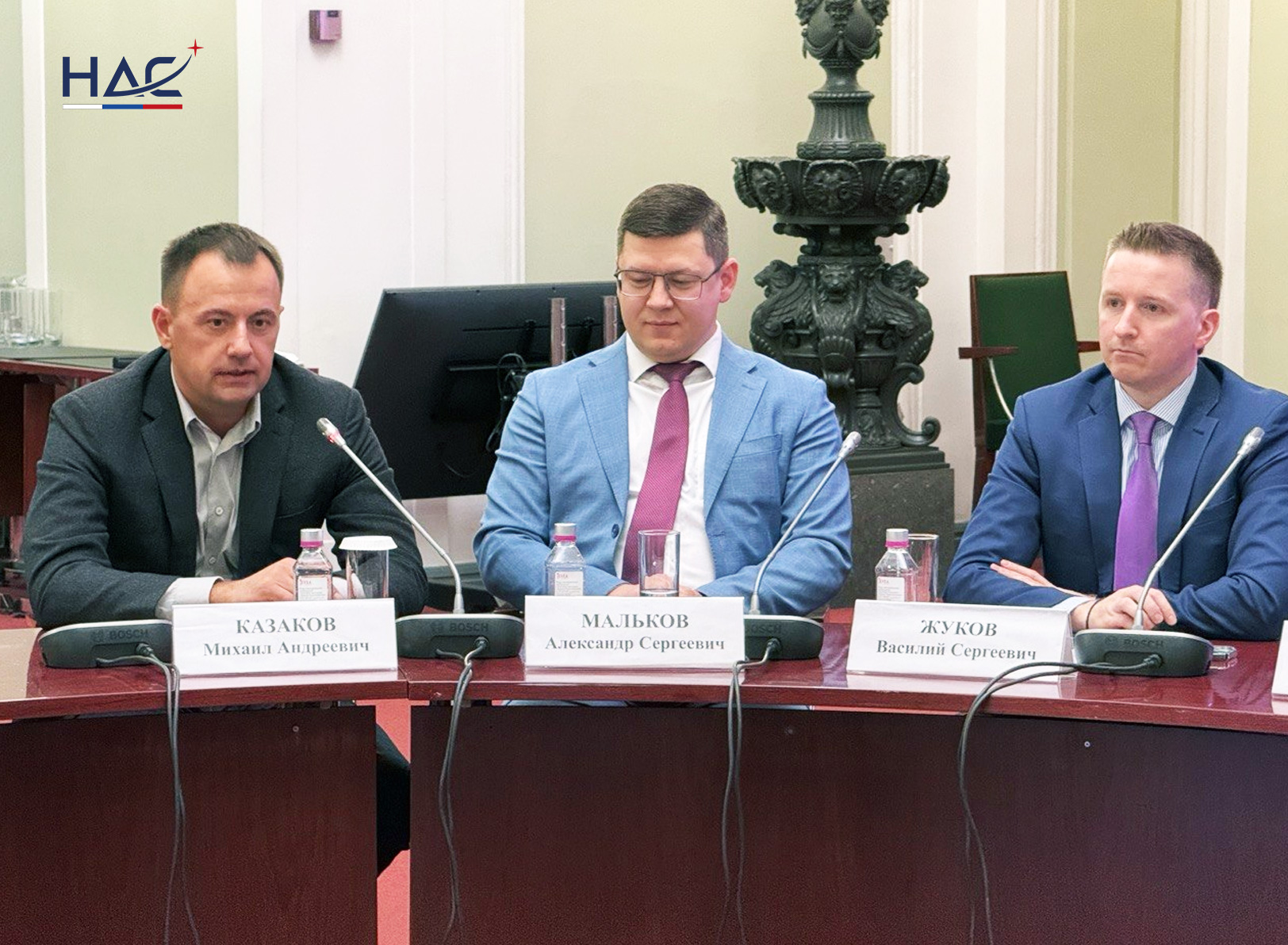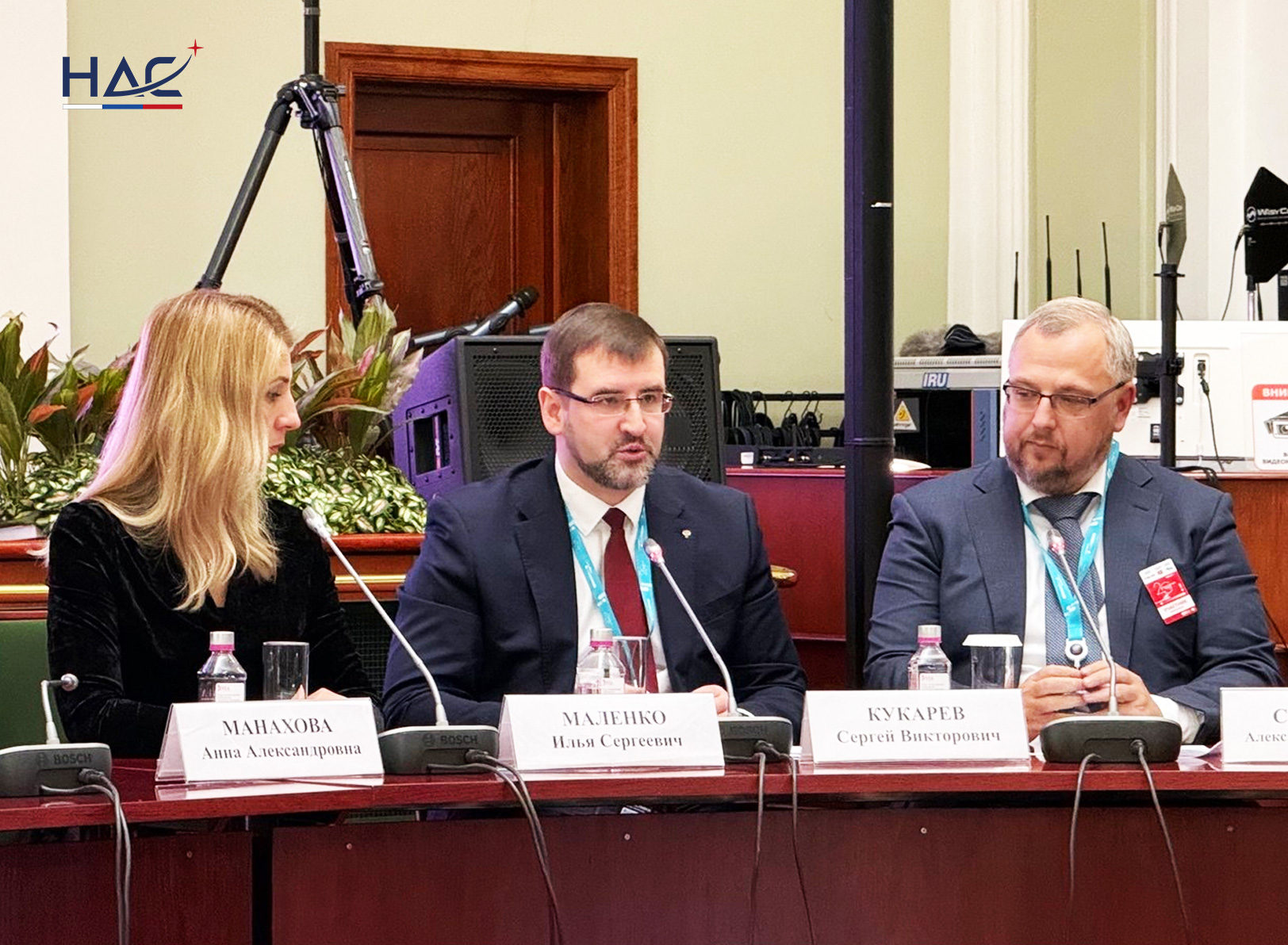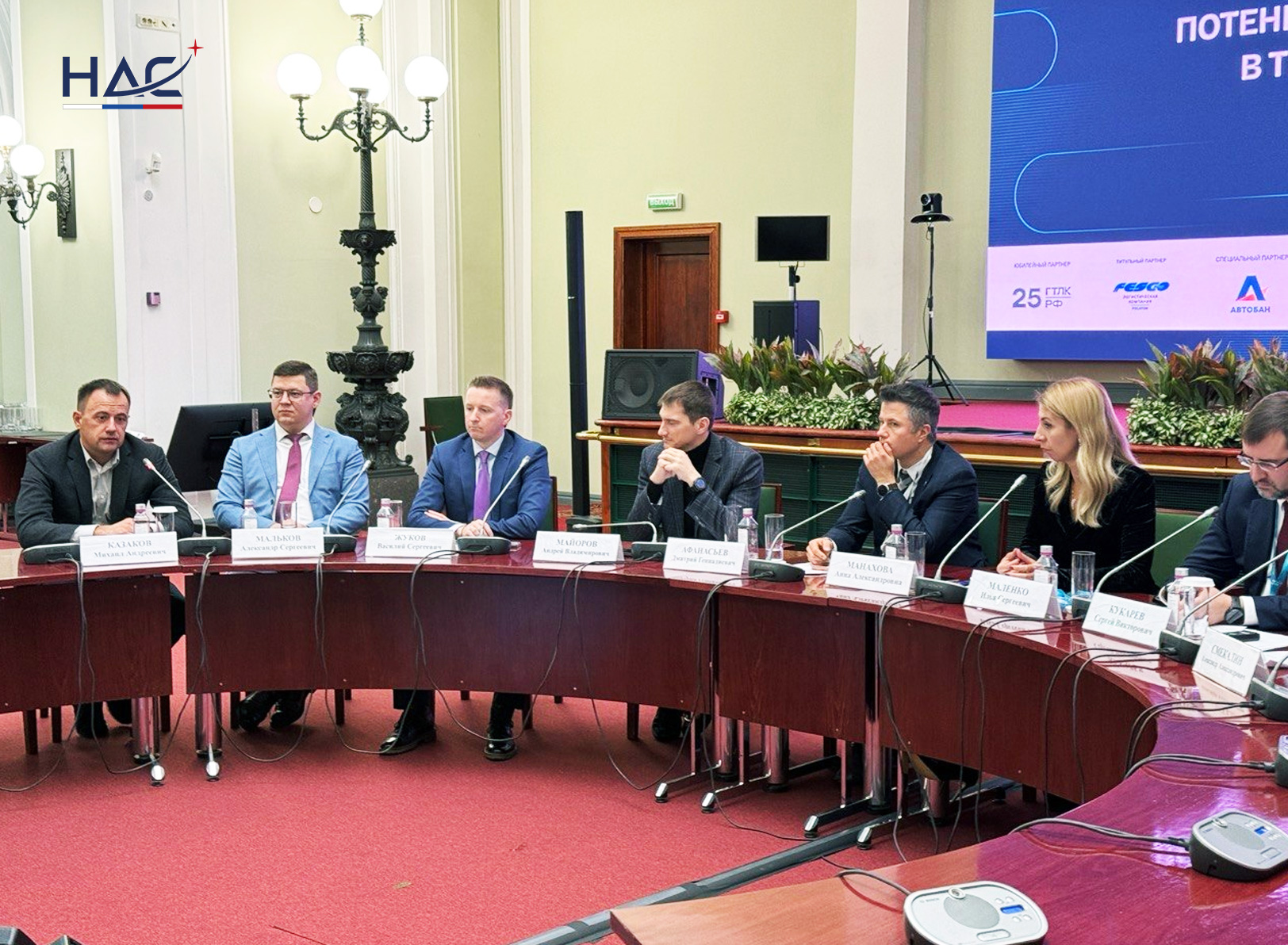
The discussion on “The Potential of Autonomous Systems in the Transport Industry” was moderated by NAS Association Director Anna Manakhova. It brought together representatives of Russia’s Ministry of Transport, development institutions and leading technology companies.
A recurring point was that the industry has moved past small-scale trials and is ready for broad deployment.
Opening the session, NAS Association Board Chair Dmitry Afanasyev called for a shift from uncrewed operation to autonomy. 🗣 “We are moving from operating individual vehicles to managing outcomes. Facing severe demographic pressures, autonomous systems allow people to move into managing fleets and services instead of operating each vehicle,” he said. The period from 2026 to 2030 offers a window to establish new markets and standards. The technology has already demonstrated its effectiveness. Highly automated vehicles have covered more than 40 million kilometers under experimental legal regimes, yielding real maintenance savings and substantially speeding up logistics.
Ilya Malenko, Director of the Department of Regional Policy and Property Relations at Russia’s Ministry of Transport, confirmed that the government was ready for the next stage of deployment. He also announced that the long-awaited results of the competition to develop the low-altitude economy would be released the following day (link to the previous article).
Alexander Malkov, Deputy Director General of the NTI Platform and the NTI Foundation, stressed the importance of developing talent. 🗣 “We are at the very beginning of the era of autonomous aviation. This is a historic moment as the industry moves from isolated projects to a systematic approach. Our most important asset is our people, with exceptional talent and a nationwide pool of teams focused on practical applications. Yet the market urgently needs qualified customers who understand the technology and the responsibilities involved,” he said.
Andrey Mayorov, General Director of Mostransavto JSC, opened the discussion on deploying autonomous systems on land. He said the company was ready in principle to introduce autonomous systems into passenger transport. 🗣 “A driverless bus can provide both safety and sound economics. It’s time to get past our own reservations. When that future arrives is up to us.”
Freight and regional development experts continued the discussion. Vasily Zhukov, Deputy General Director of Evocargo LLC, shared the company’s experience in scaling up autonomous logistics and assessing its effectiveness.
Discussing the introduction of these technologies in Russia’s regions, Alexander Smekalin, Director of the Association of Innovative Regions of Russia, raised the need to adapt regional infrastructure. He also noted market demand for multimodal transport, including the wider deployment of autonomous systems on water.
Mass adoption requires reliable digital infrastructure. Sergey Kukarev, a division director at GLONASS JSC, discussed the development of a modern system for identifying autonomous vehicles and integrating it across regions. He highlighted Russia’s climate challenges and the need to adapt autonomous vehicles to severe weather if they are to be deployed widely.
Mikhail Kazakov, General Director of SC TTM LLC, used rail transport to illustrate the challenges of digitalization. He emphasized that autonomous solutions require exceptionally reliable digital infrastructure and that projects must meet both economic and social responsibilities.
Session conclusions. Russia’s transport industry has reached a turning point. To move from pilots to an autonomous economy at scale, the industry needs common rules, reliable communications infrastructure and coordinated demand from qualified customers.
📍 The discussion on the key challenges and the work on the National Strategy for the sector will continue on December 17 at the Annual Autonomous Systems Forum at VDNKh. Join us at нас.рф/форум2026.