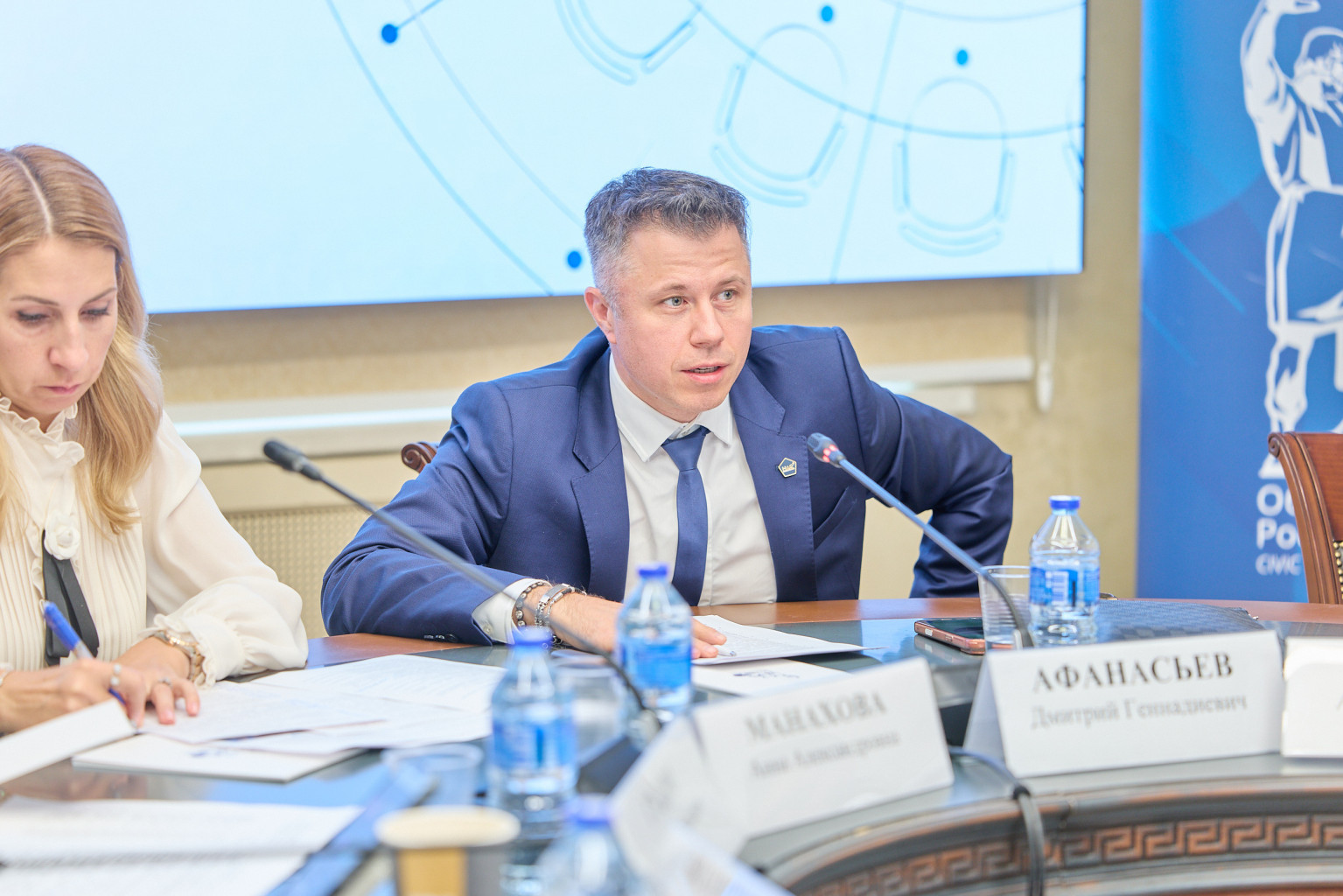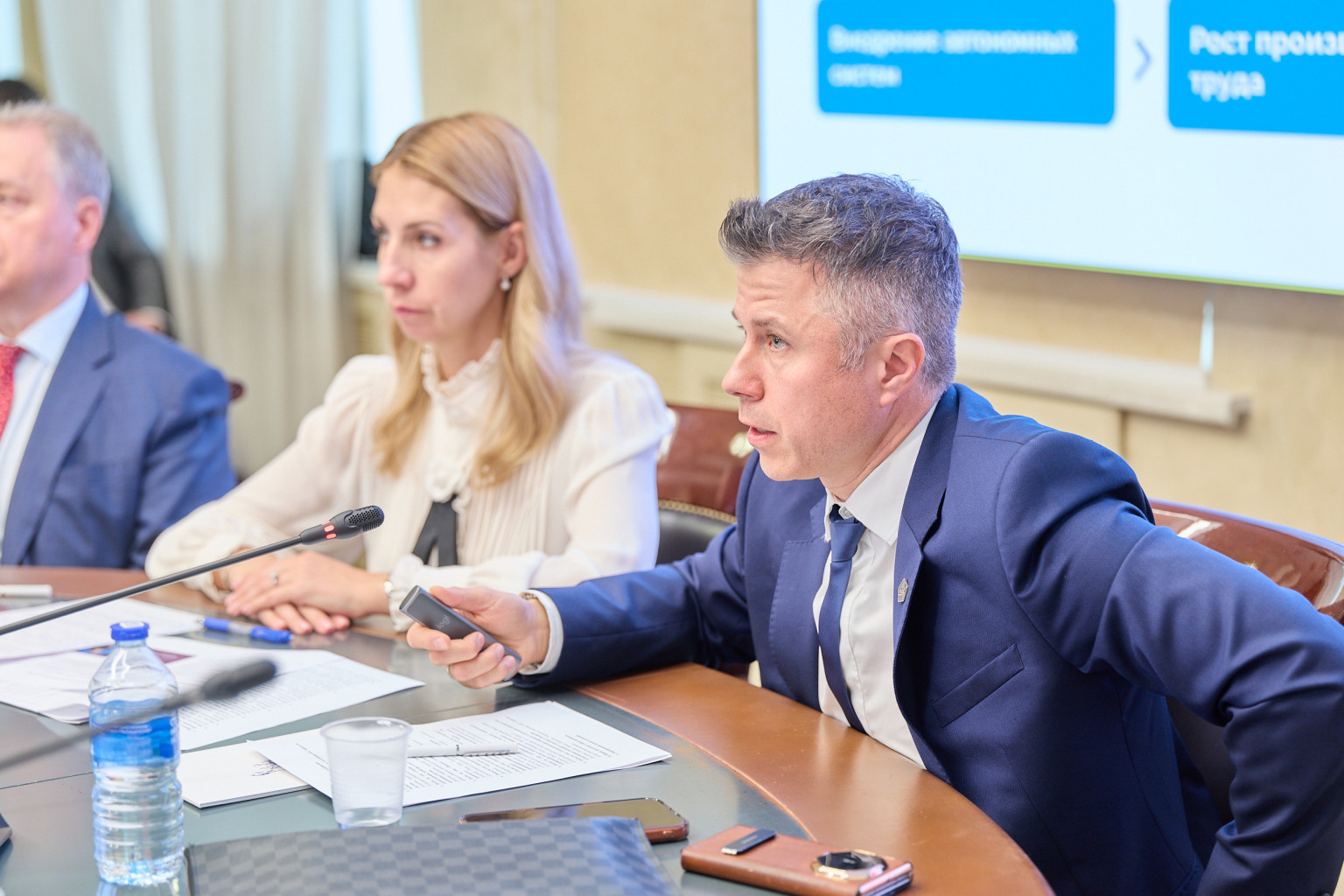
In his welcoming speech, Dmitry Afanasyev spoke about the NAS Association and recalled that in accordance with the instructions of the President of the Russian Federation following the results of SPIEF-2026 (No. Pr-1758, clause 1a), the Association is co-executing the development of a national strategy for the development of autonomous systems for the period until 2036. *“The US Association unites operators, manufacturers, developers and customers of autonomous systems in all environments - in the air, on land, on water, in space and in digital space. We act as a partner of the state in the implementation of the national strategy and a center for the consolidation of the entire industry,” noted Dmitry Afanasyev.
The report “Strategy 2036, vision of the NAS Association” was made by the Director of the NAS Association Anna Manakhova. “Autonomous systems are not a separate civilian industry, but an end-to-end general-purpose technology that already determines the competitiveness of the economy. Our first task is to determine the boundaries of this industry and the very concept of autonomy in order to continue to speak the same language with the state, science and business,” Anna Manakhova noted in her report.
Why do we need a strategy
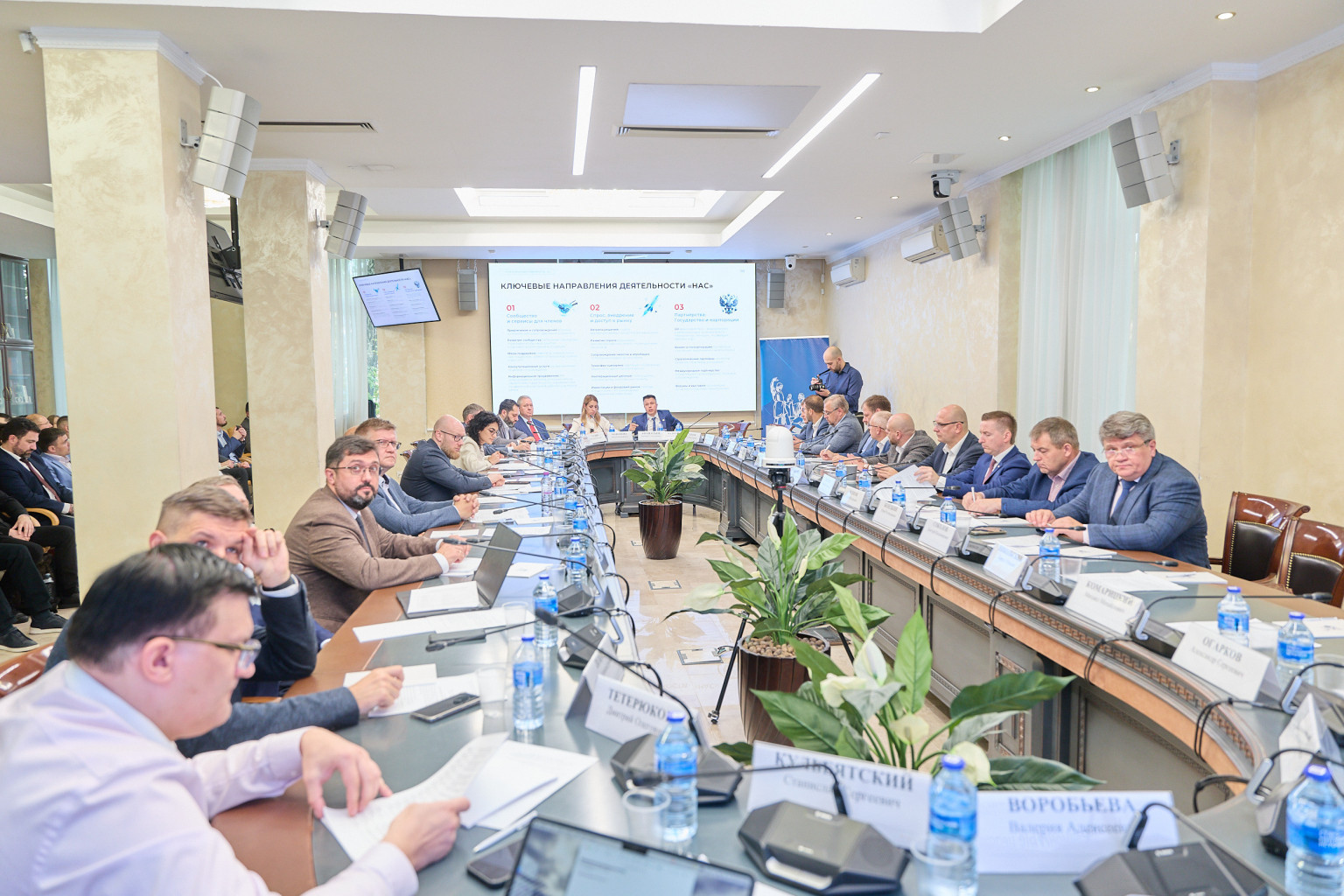
The event was dedicated to the formation of a conceptual vision of the national strategy for the development of autonomous systems and determining their key role in ensuring the technological sovereignty of the country.
Autonomous systems - unmanned aircraft, land, sea and river complexes, robotics, intelligent control systems - are becoming one of the main drivers of technological transformation of the economy. Their development directly affects the country’s competitiveness, the efficiency of industry, logistics, agro-industrial complex, fuel and energy complex, housing and communal services and other critical sectors.
However, the industry still faces fragmented regulation, the absence of a single coordinating center, and fragmented efforts between government, science, and business. The National Strategy until 2036 should become a document that will unite all areas of development and set common guidelines for the decade ahead.
Key Discussion Topics
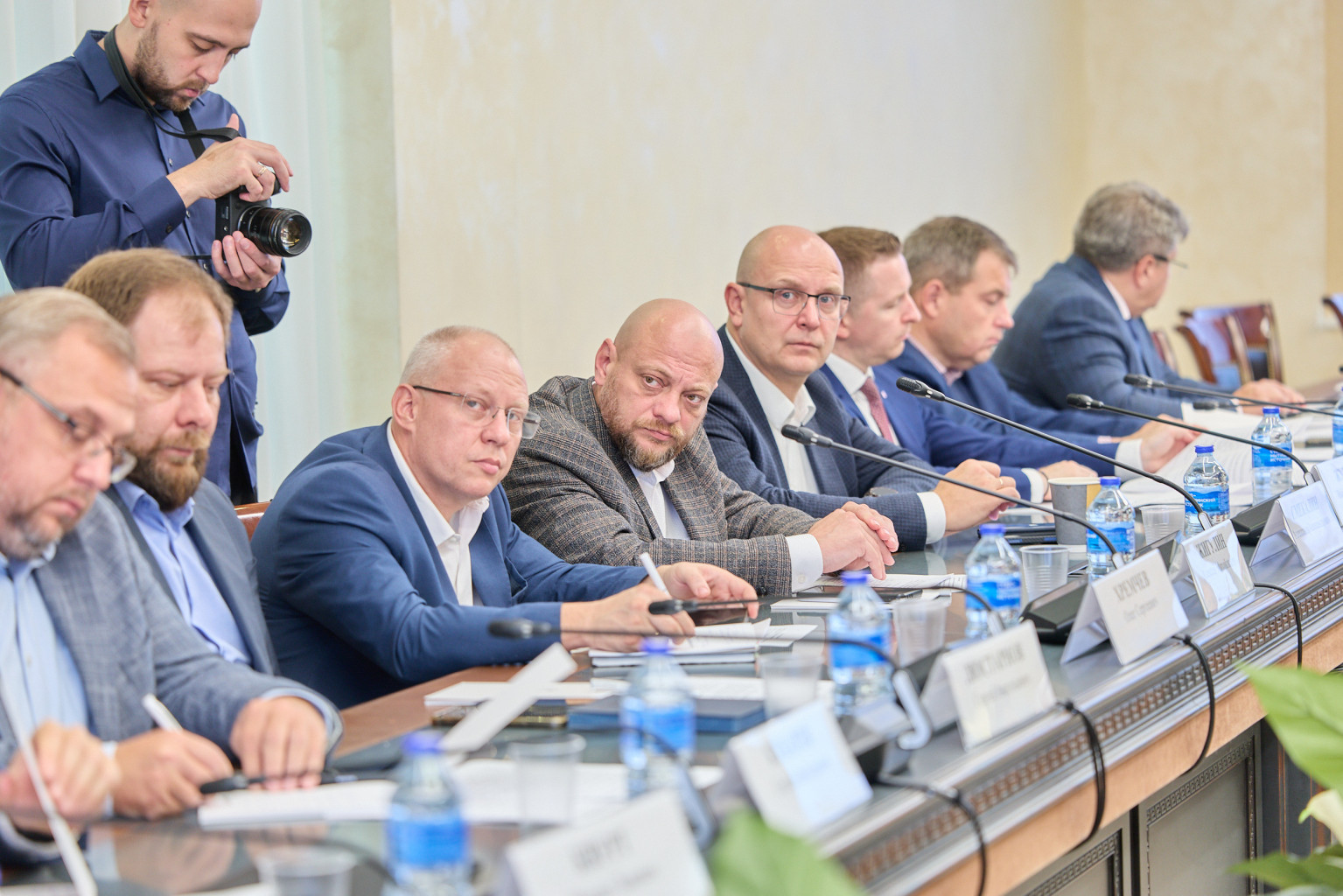
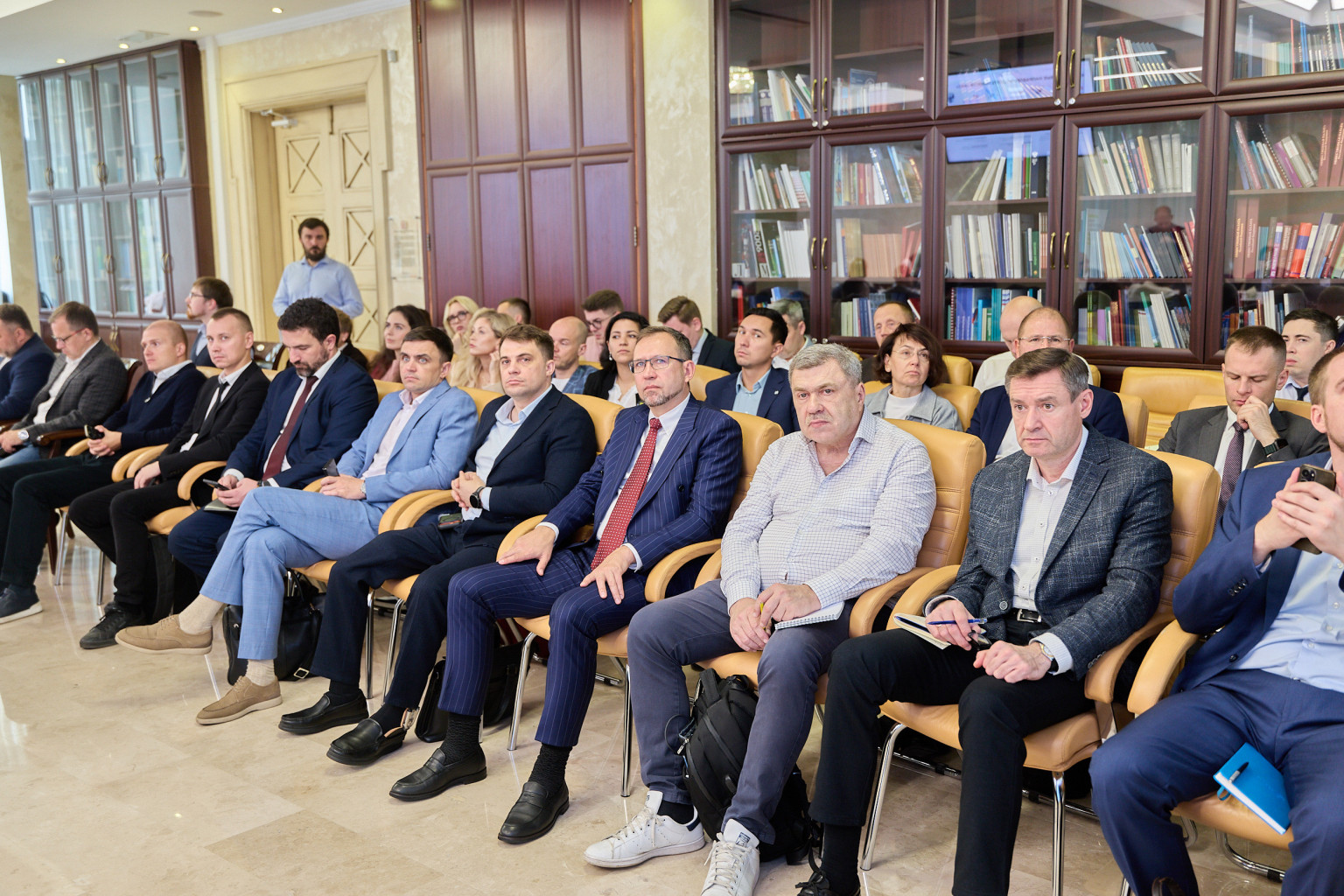
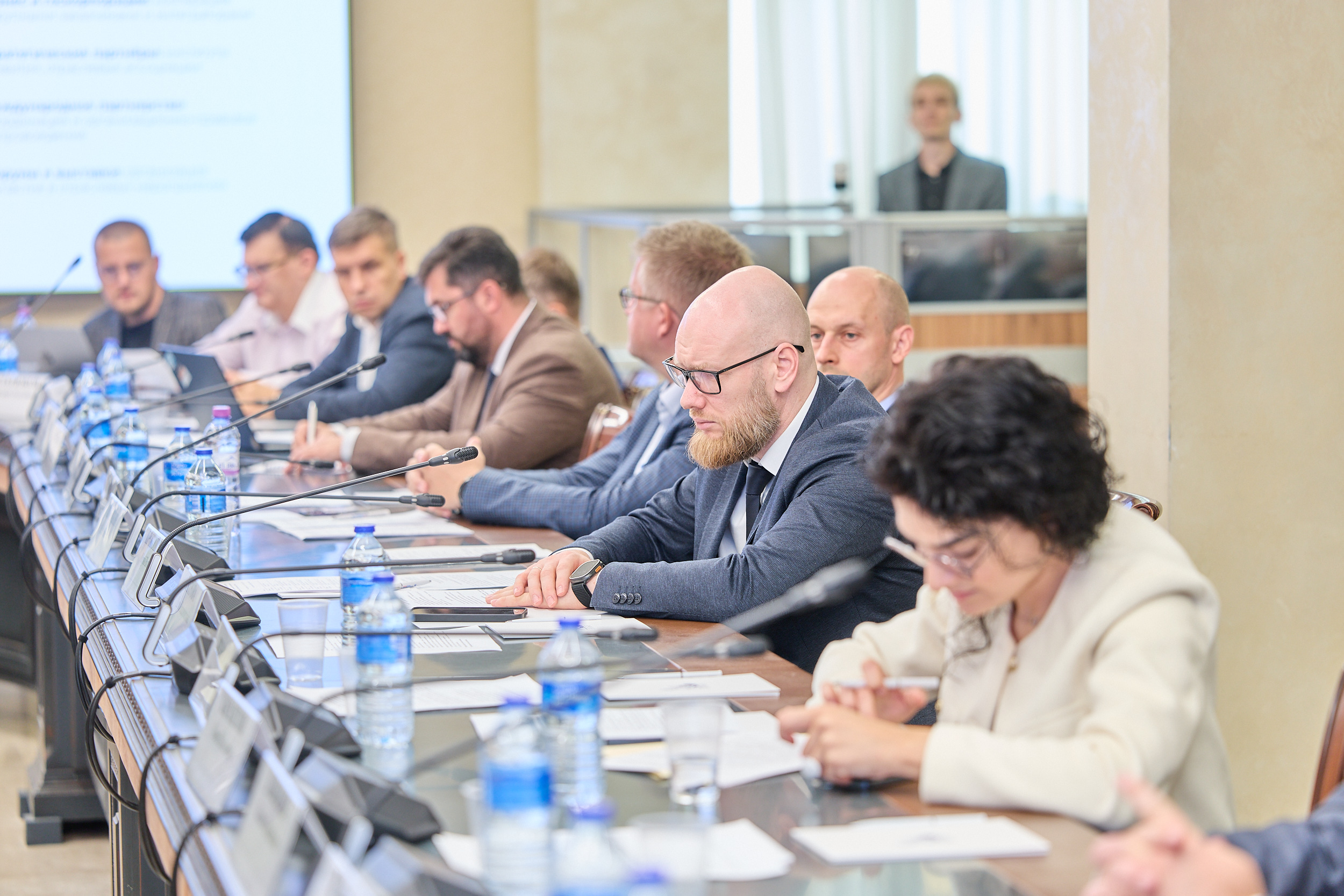
Representatives of federal legislative and executive authorities, scientific and academic partners, development institutions, as well as heads of leading companies participating in the autonomous systems market took part in the round table.
Director of the Association of Innovative Regions of Russia (AIRR) Alexander Smekalin proposed using the Association’s resource to form a unified position of the regions and consolidate their experience in developing a national strategy for the development of autonomous systems until 2036. He noted that it is at the regional level that today a significant part of the practice of civil piloting of technologies, support measures and decisions for their implementation is concentrated.
Head of special projects of the Digital Transport and Logistics Association Gayane Karapetyan spoke about the transition from pilot projects of unmanned cargo transportation to their mass application.
The head of the Avtonet infrastructure center of the Moscow Polytechnic University Alexander Karlovsky and the deputy director of the Advanced Engineering School "VSM Academy" RUT (MIIT) Pavel Popov focused on the barriers to the development of ground-based autonomous systems and the issues of testing and certification of autonomous transport.
Deputy Director for Production - Head of the Design Department of EvoCargo LLC Sergey Osipov spoke about barriers and certification of autonomous systems.
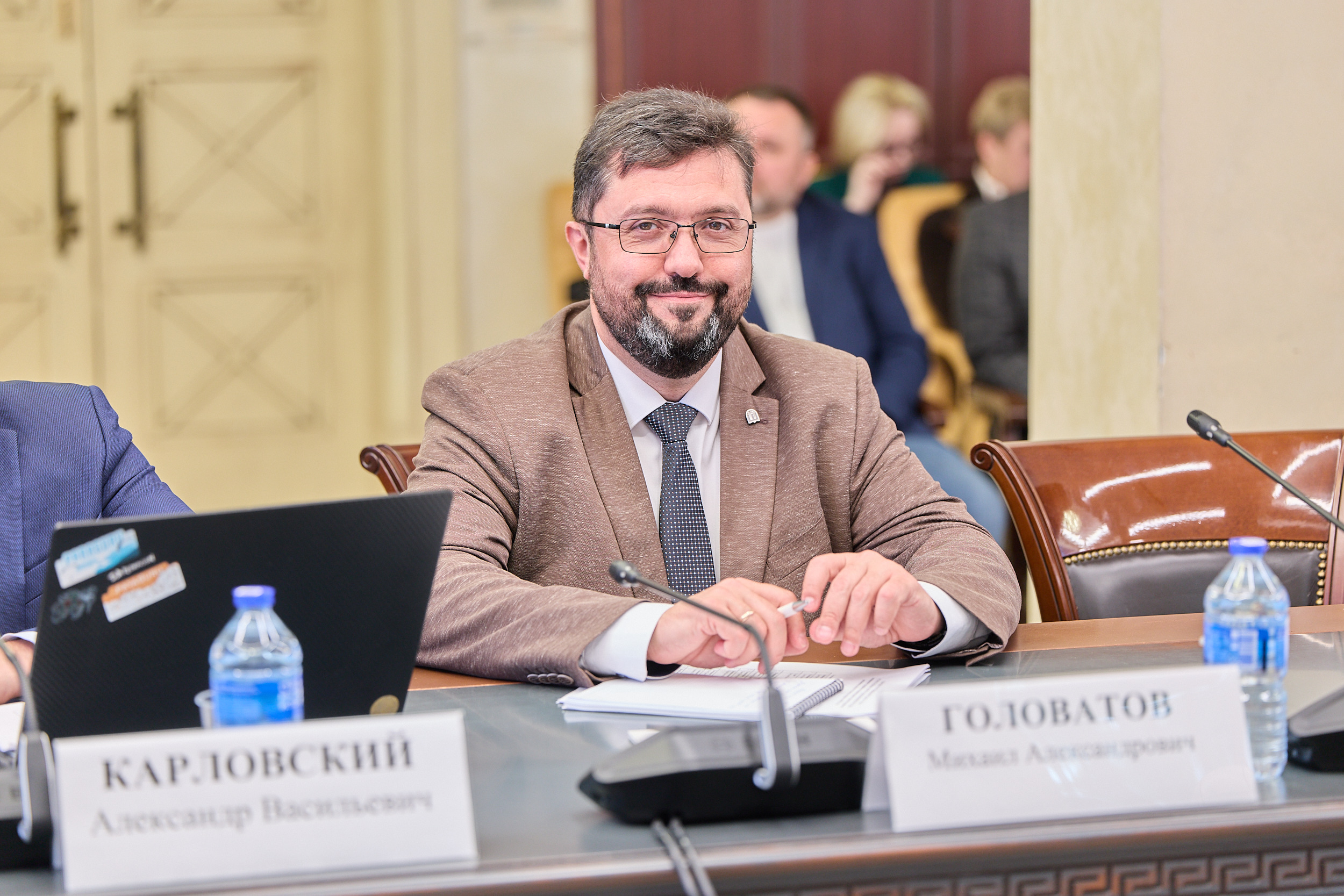
Head of Innovation Management in the Field of Science, Engineering and Technology of the National Research Tomsk State University Mikhail Golovatov presented the experience of forming a territorial industrial cluster of electronics and unmanned technologies in the Tomsk region.
Director of the “Unified Identification System for Autonomous Transport” JSC GLONASS Sergey Kukarev and General Director of Transtelematics Service Center LLC Mikhail Kazakov spoke about the place of autonomous systems in strategic planning documents and the role of domestic solutions in achieving technological sovereignty in autonomous transport.
The general discussion was attended by representatives of ANO FC BAS, Skolkovo Institute of Science and Technology (Skoltech), JSC Zala Aero, Institute of Precision Mechanics and Computer Engineering named after. S.A. Lebedeva and other industry representatives.
The round table brought together more than 150 participants in person and via video conferencing. In a general discussion they discussed:
- the role of autonomous systems in ensuring technological sovereignty and their impact on the economic development of the country;
- analysis of the current situation: achievements, bottlenecks and barriers hindering the growth of the industry;
- formation of a unified approach to legal regulation;
- creation of a single coordinating body for the development of autonomous systems.
Based on the results of the discussion, the participants formed a draft round table decision, which will be included in the set of proposals for the national strategy for the development of autonomous systems.
Series of round tables
The round table was the first in a series of expert discussions that the NAS Association is conducting as part of the development of a national strategy for the development of autonomous systems for the period until 2036. Based on the results of a series of round tables, a set of industry proposals will be formed, which will form the basis of the conceptual vision of the strategic document.
“Based on the results of this and subsequent round tables, we will form a consolidated position of the industry and present it in the form of specific proposals for the national strategy. Our goal is not just to record the current state of the market, but to set the vector of its development for the next decade,” concluded Dmitry Afanasyev.